What is stewardship
Stewardship is the conscious acceptance of responsibility to care for, improve and pass forward what is entrusted to our influence.
Stewardship is not only about the environment, and not only about leadership. It is a universal human orientation. Everyone influences something. Everyone is entrusted with something. Everyone can become a better steward.
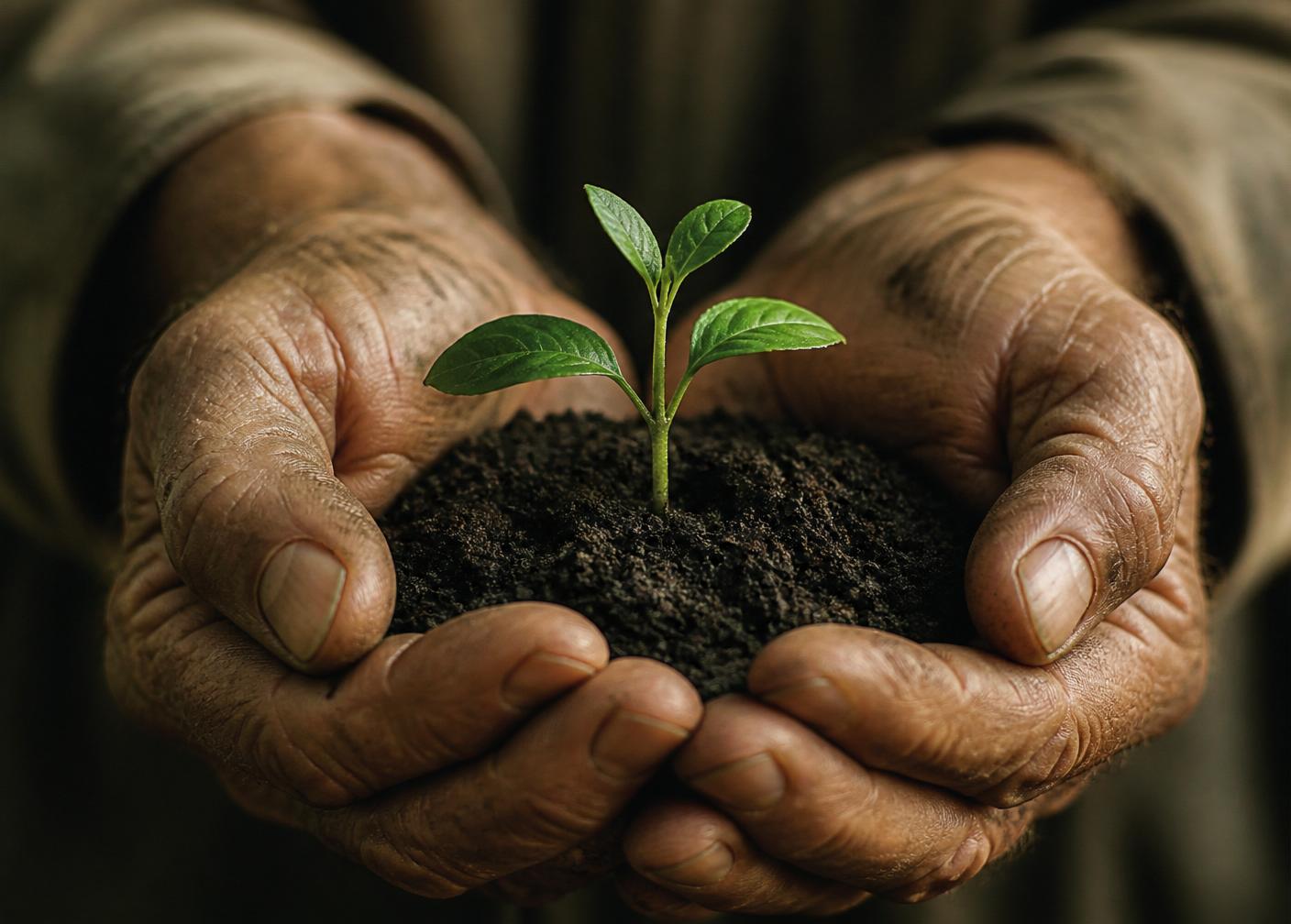
“Your life becomes meaningful in precise proportion to the depths of responsibility you are willing to shoulder.”
Five essential ideas
Entrustment
Something of value is within our care or influence, whether or not we formally own it.
Responsibility
We accept that our choices affect its condition and future.
Care
We protect it from unnecessary harm, neglect or depletion.
Improvement
We seek to make it stronger, healthier, more valuable or more capable of flourishing.
Passing Forward
We consider what others and future generations will inherit from our actions.
Stewardship versus ownership
Ownership asks, "What can I do with this?" Stewardship asks, "What responsibility comes with my influence over this?"
A person can legally own something without stewarding it well. And a person can steward things they do not own — a relationship, a community, a workplace culture, a public institution, the environment, humanity's future.
Stewardship versus control
Stewardship is not about controlling everything.
Stewardship means taking appropriate responsibility for what lies within our genuine influence, while recognising the autonomy, rights and responsibilities of others.
Stewardship versus sacrifice
Stewardship does not mean permanently sacrificing oneself.
Neglecting oneself eventually reduces the capacity to care for others. Sustainable stewardship seeks appropriate balance between self, relationships, immediate responsibilities and wider contribution.
The goal of stewardship is not preservation for its own sake. It is to create the conditions in which people, relationships, organisations, communities and living systems can flourish over time.